.JPG)
At UDEA Elektronik, we integrate electronics, mechanics, and software disciplines to transform ideas into unique and qualified products. With our quality system, we ensure all processes meet the highest standards. Supported by advanced engineering tools, our design infrastructure and in-house EMI/EMC, optical, climatic, and vibration testing enable end-to-end solutions. We manage SMT/THT lines, CNC machining, and painting robots internally, fully integrated via ERP. Testing is reinforced with AOI, Flying Probe, and X-Ray systems. Some of our unique products: RF Systems Proximity Sensors Fuze Electronics Avionic Systems
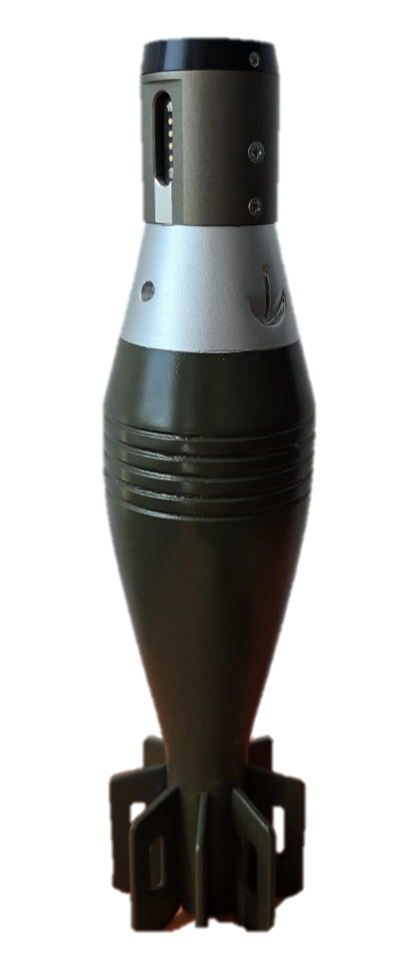
It is a programmable, multi-purpose mortar fuze developed for 60mm and 81mm mortar munitions deployed over targets by drones. Technical Specifications: Modes of operation: - Proximity Mode - Precision Impact Mode - Time Mode Includes communication capability with the drone. Designed to operate without requiring an integrated battery.
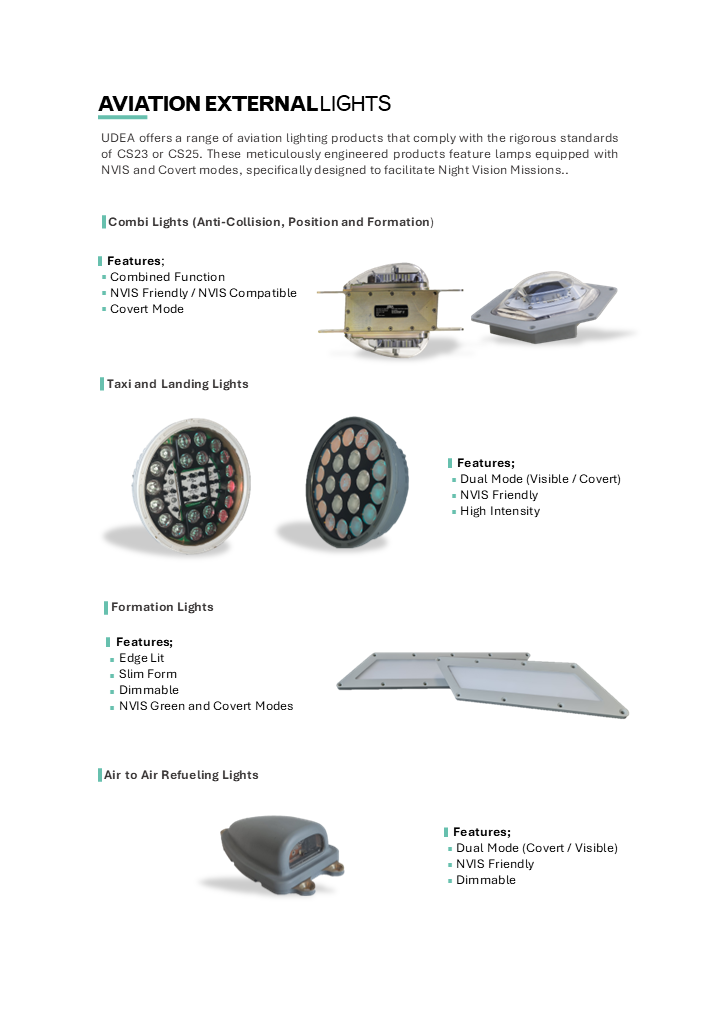
UDEA Elektronik develops external lighting products used in aerial platforms. These products are designed in compliance with aviation standards and demanding environmental requirements. Example Products: Landing Light Taxi Light Wingtip Integration Lights Formation Light
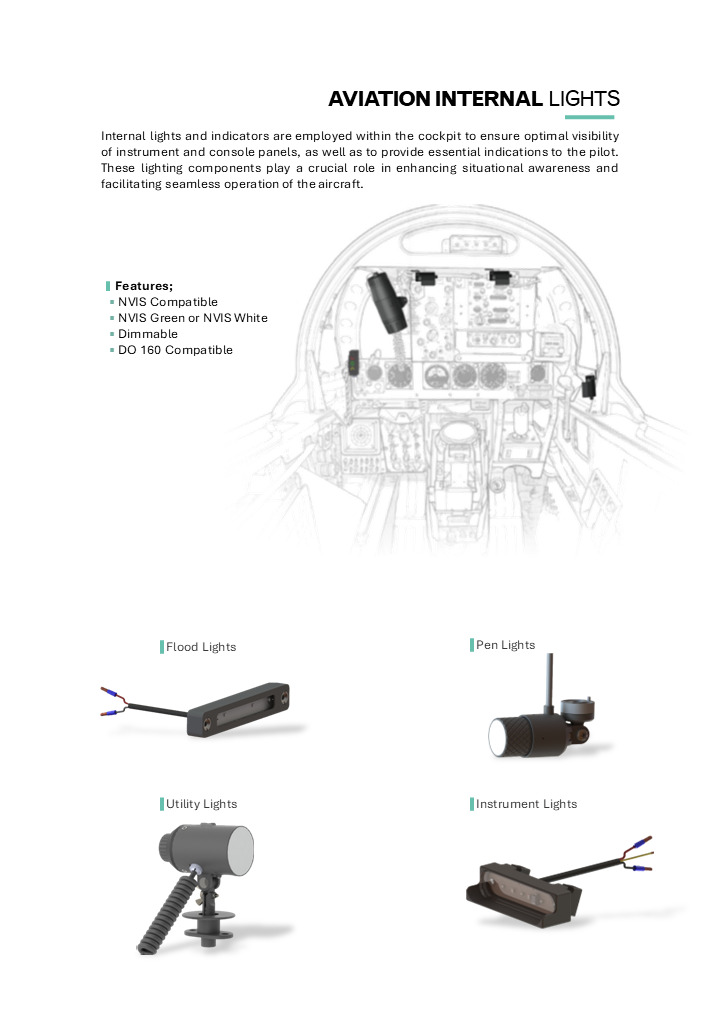
Lighting equipment used inside the cockpit: - Flood Lights - Utility Lights - Pen Lights

Illuminated panels used on control panels inside the cockpit. NVIS Compatible per MIL-STD-3009 NVIS Green or IPL White Options LED or Incandescent Types SAE ARP 7788 Compatible
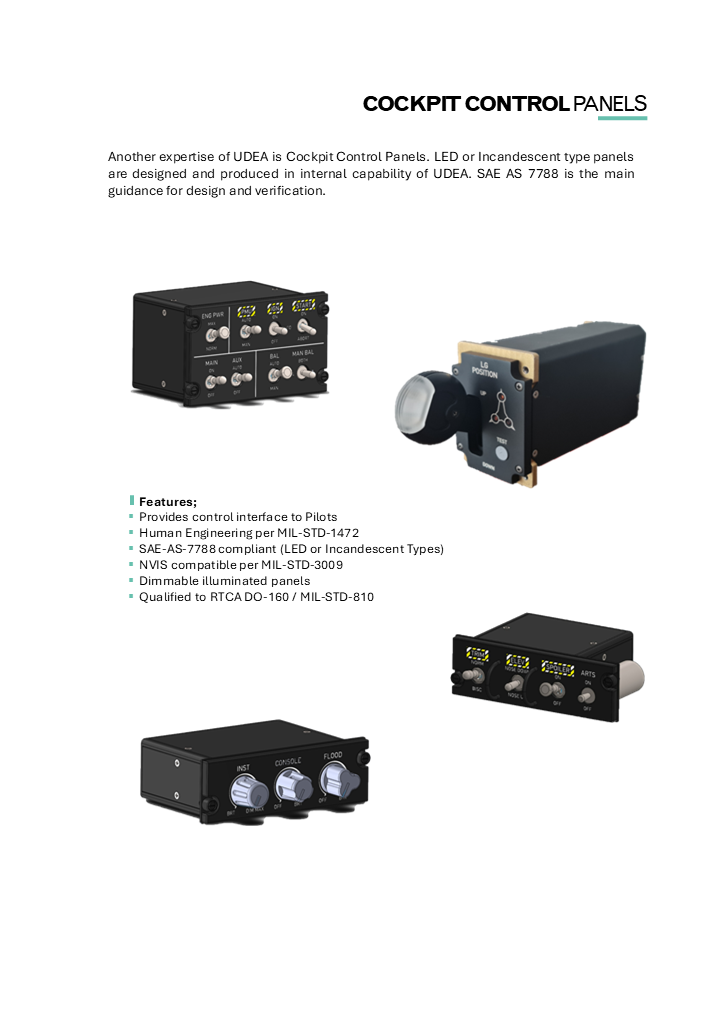
These are panels through which the user controls the functions of the aircraft. All human-machine interfaces are designed in accordance with MIL-STD-1472. SAE-AS-7788 compliant (LED or incandescent types) NVIS compatible per MIL-STD-3009 Integrated illuminated panels Qualified to RTCA DO-160 / MIL-STD-810 standards
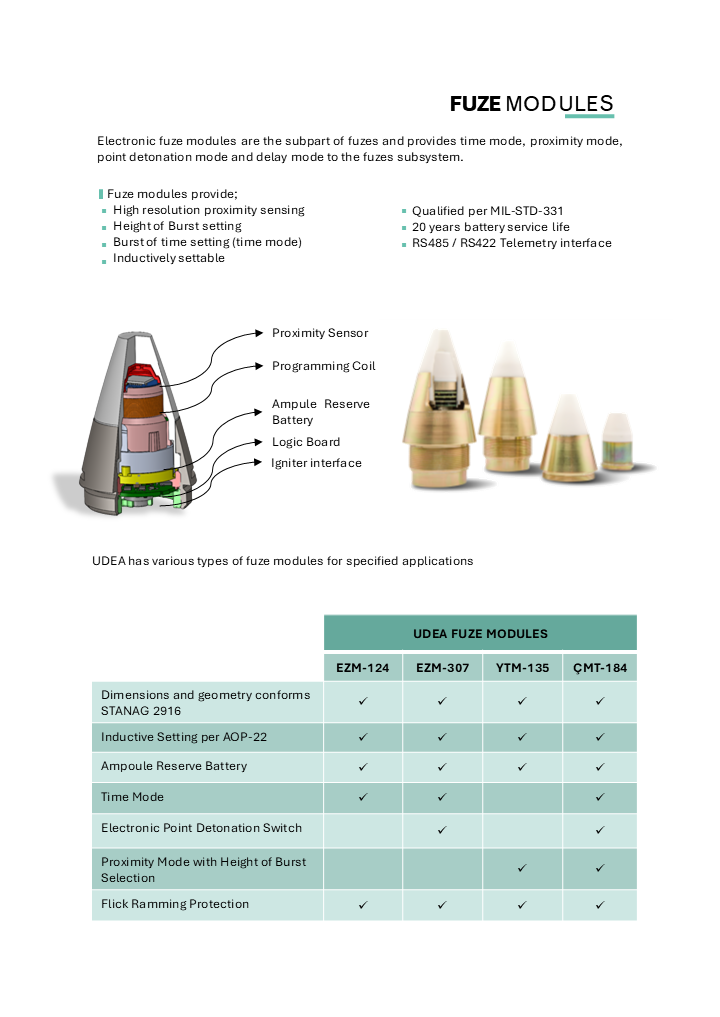
Electronic fuze modules are subcomponents of fuzes, providing multiple functionalities such as time mode, proximity mode, point detonation mode, and delay mode to the overall fuze subsystem. Key Features: High-resolution proximity sensing Programmable Height of Burst (HoB) Configurable time delay (Time Mode) Inductively programmable settings Qualified per MIL-STD-331 20-year battery service life RS485 / RS422 telemetry interface
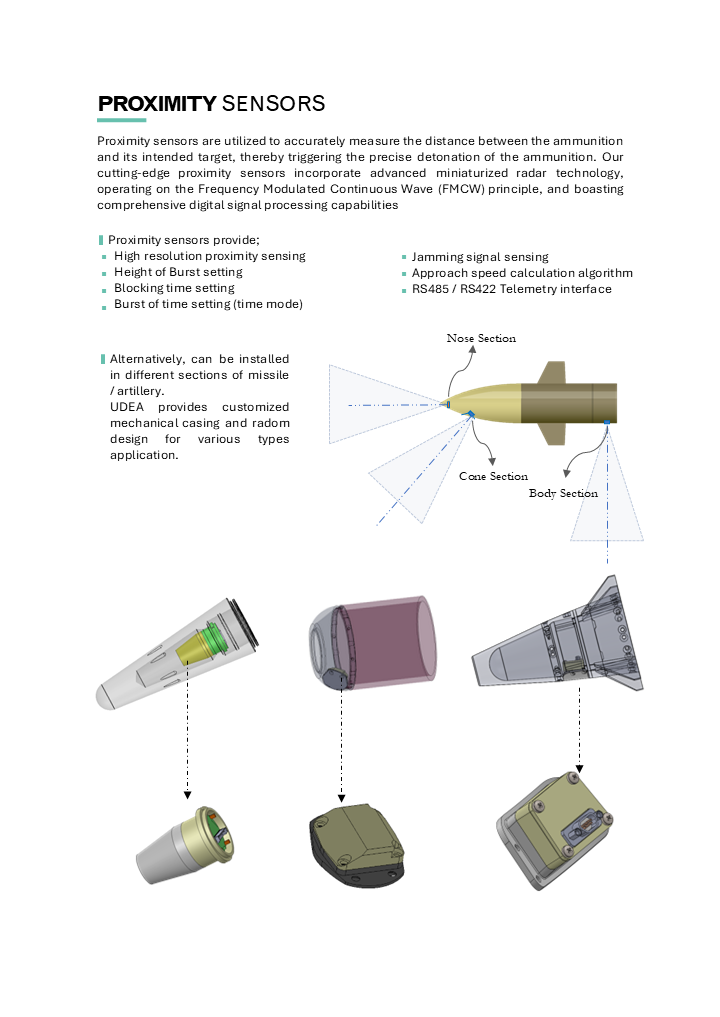
Proximity sensors are employed to precisely measure the distance between the munition and its target, enabling accurate and timely detonation. Our state-of-the-art proximity sensors utilize advanced miniaturized radar technology based on the Frequency Modulated Continuous Wave (FMCW) principle, supported by robust digital signal processing capabilities. Key capabilities of the proximity sensors include: High-resolution distance sensing Configurable Height of Burst (HoB) Adjustable blocking time Programmable time delay (Time Mode) Detection of jamming signals Approach speed estimation algorithm RS485 / RS422 telemetry interface
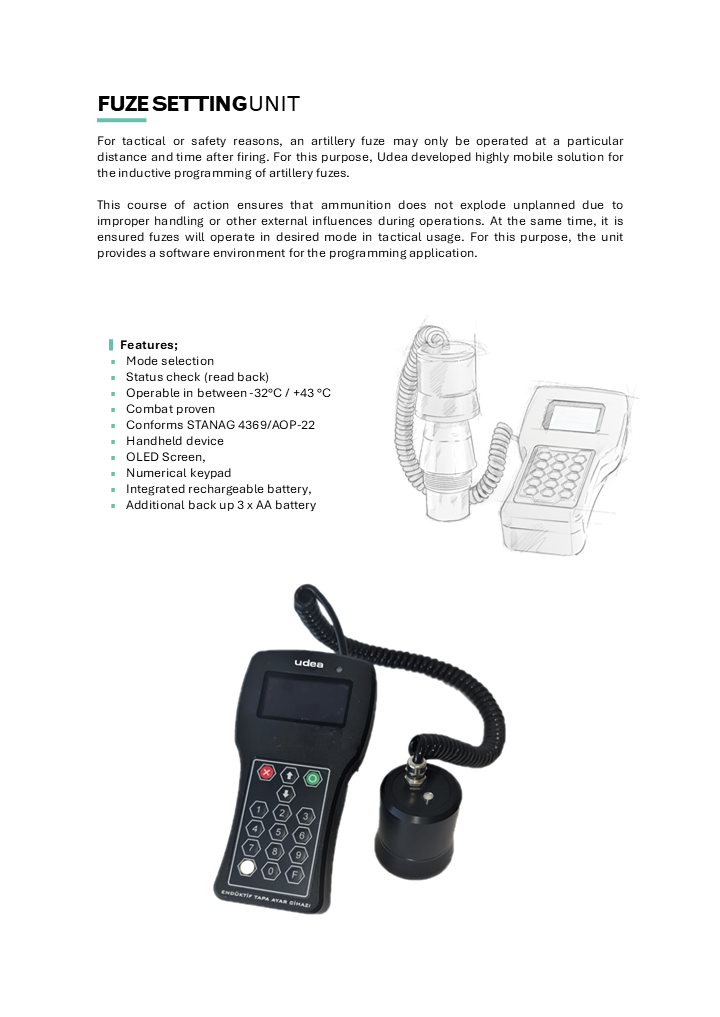
For tactical and safety purposes, artillery fuzes are often required to activate only at a specific time and distance after launch. To address this need, UDEA has developed a highly mobile solution for the inductive programming of artillery fuzes. Key Features: Mode selection Status read-back capability Operational temperature range: -32°C to +43°C Combat-proven reliability Compliant with STANAG 4369 / AOP-22 Handheld unit OLED display Numeric keypad Integrated rechargeable battery Backup power via 3 x AA batteries
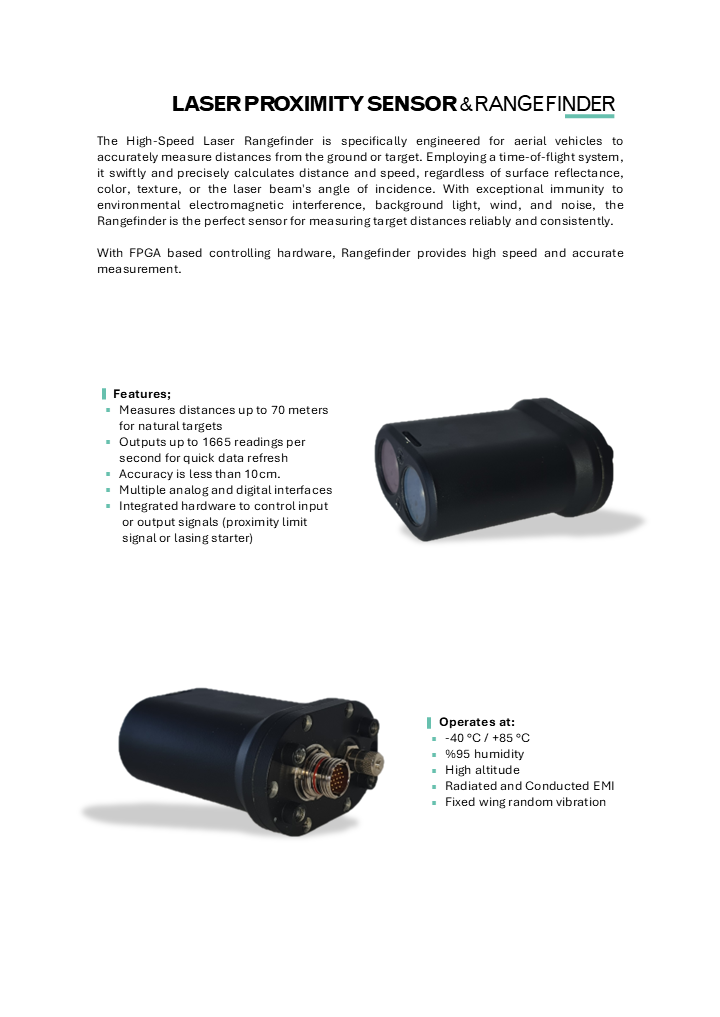
The High-Speed Laser Rangefinder is purpose-built for aerial platforms to deliver precise distance measurements to the ground or target. Utilizing a time-of-flight system, it calculates both distance and velocity rapidly and accurately—regardless of surface reflectivity, color, texture, or the laser beam’s angle of incidence. Powered by FPGA-based control hardware, the rangefinder delivers high-speed and highly accurate measurements. Key Features: Measures distances up to 70 meters on natural targets Delivers up to 1665 readings per second for rapid data refresh Accuracy better than 10 cm Multiple analog and digital interface options Integrated hardware for signal control (e.g., proximity limit or lasing trigger))
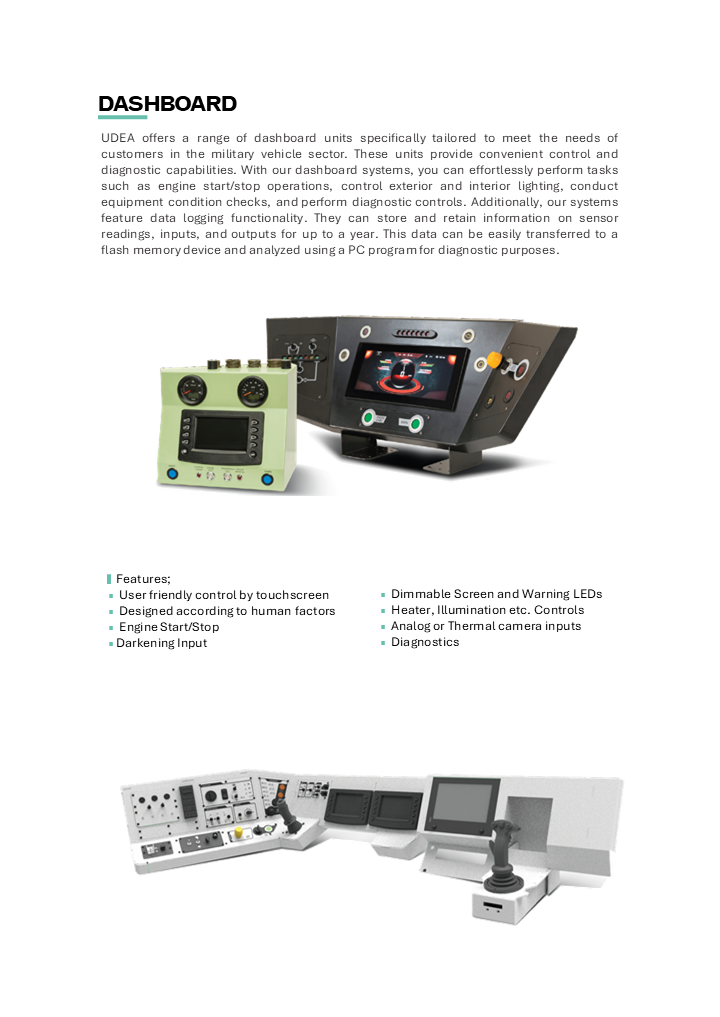
UDEA offers a range of dashboard units specifically designed to meet the operational and diagnostic needs of military vehicle platforms. These systems provide intuitive control interfaces and advanced diagnostic capabilities. With UDEA’s dashboard systems, users can easily perform essential operations such as engine start/stop, interior and exterior lighting control, equipment status monitoring, and system diagnostics. Additionally, the units are equipped with data logging functionality, capable of recording sensor inputs, outputs, and system events for up to one year. This recorded data can be exported to a USB flash drive and analyzed via a dedicated PC application for in-depth diagnostics and maintenance planning.
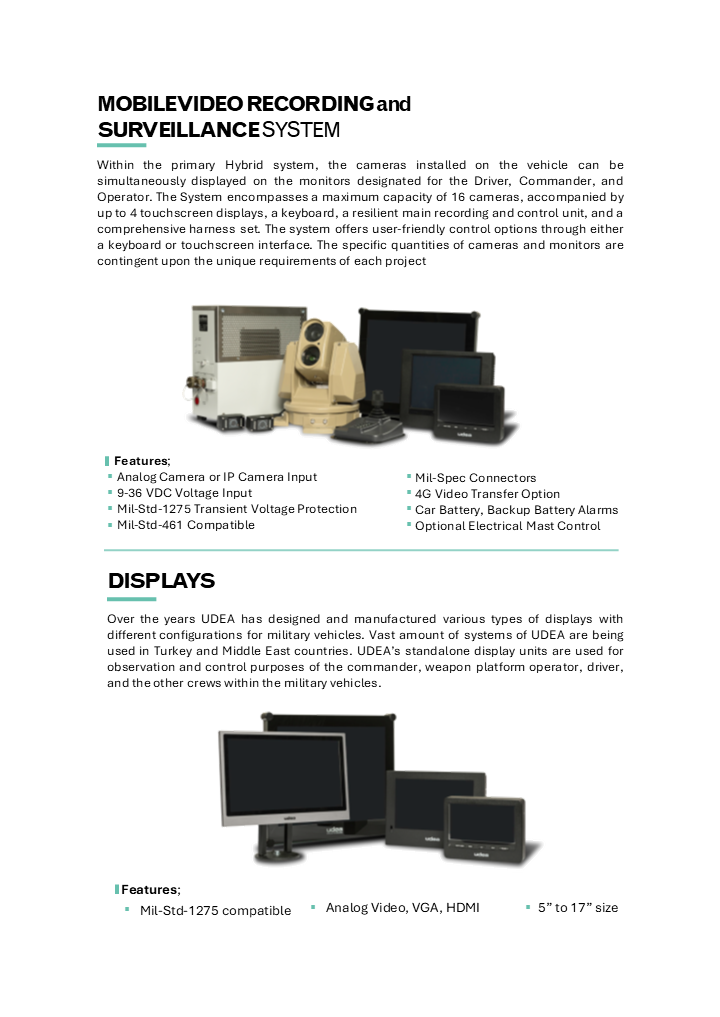
The core Hybrid System enables simultaneous display of vehicle-mounted camera feeds on monitors assigned to the Driver, Commander, and Operator. Supporting up to 16 cameras and 4 touchscreen displays, the system includes a rugged main recording and control unit, a user-friendly keyboard, and a complete harness set. Operators can interact with the system via either the touchscreen or keyboard interface, ensuring flexible and intuitive control. The number of cameras and monitors can be customized based on the specific requirements of each project.








Mobile Applications